Dr Áine MacNamara’s RTE Brainstorm article, ‘Why almost every sport in Ireland faces a crisis of volunteering,’ provides valuable perspective, and we welcome its spotlight on the importance of introducing young people to structured volunteering from an early age.
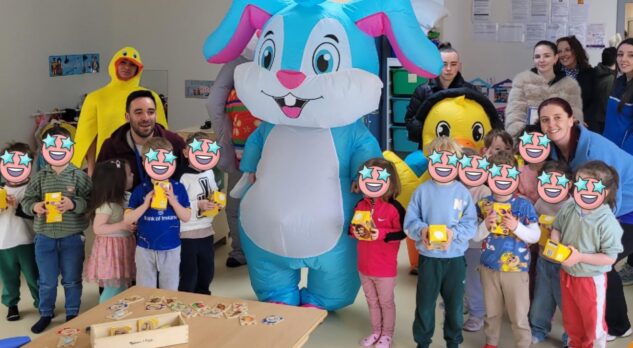
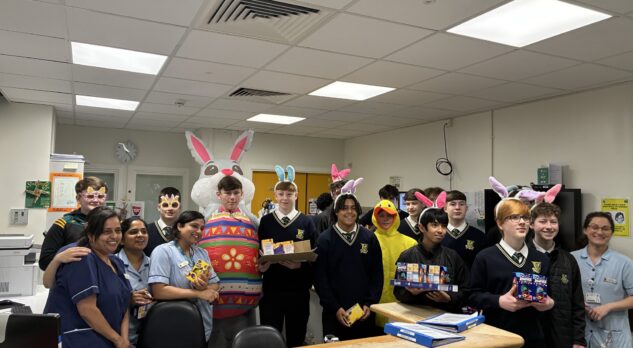
At Localise we are at pains to point out that youth volunteer education should not be treated as an emergency response to adult burnout, but as a lifelong capability that can be intentionally developed from childhood. Localise programmes introduce children and young people to the core concepts behind volunteerism in structured, age-appropriate ways, building foundations for sustained civic participation rather than short-term recruitment.
Planned programmes of volunteering have strong pedagogical value, particularly when designed as part of structured learning rather than informal, ad-hoc activity. Through carefully designed programmes, young people learn empathy, social responsibility, teamwork, problem-solving and democratic participation through real-world experience. Localise frames volunteering as a form of experiential education, connecting service to learning and personal development.
Evidence from education and youth participation research consistently shows that structured civic engagement develops essential transversal skills, transferable capabilities that support young people across work, study and community life. Through Localise initiatives, young people strengthen communication, leadership, collaboration, time management, critical thinking and resilience, equipping them for long-term civic and professional contribution.
A defining feature of Localise’s approach is its ten-week model of engagement, designed to make volunteering sustainable, safe and transparent for everyone involved. Adult volunteers who participate in Localise programmes, particularly in mentoring roles, are offered clear, time-limited ten-week cycles rather than open-ended commitments. This approach reduces burnout, removes the pressure of indefinite obligation and allows volunteers to step back without guilt or stigma.
The ten-week structure also acts as a protective mechanism for organisations. Built-in review points allow organisations to responsibly address poor fit, unhealthy dynamics or inappropriate behaviours, helping to safeguard young people and maintain healthy programme cultures.
“As a proud card-carrying member of the GAA and part of the Bib-and-Whistle Brigade I personally welcome Dr. MacNamara’s article as it rightly highlights the pressures facing traditional volunteering models that I am seeing at the very grassroots level,” said Harry Keogh of Localise Youth Volunteering. “We believe the answer lies in building volunteering capability early, designing programmes with real educational structure, and protecting volunteers and organisations through clear, time-bound engagement models.”
Localise Youth Volunteering continues to work with schools, youth organisations and community partners across Ireland to modernise volunteering through education, structure and innovation.
Dr Áine MacNamara is Associate Professor of Elite Performance in the School of Health and Human Performance at Dublin City University. The original article is available here https://www.rte.ie/brainstorm/2025/1205/1547421-youth-sport-ireland-volunteering-crisis/
Stories from across the Localise community.
Subscribe to get the latest on news, community events and volunteering insights from young people straight to your inbox.